Layne’s Wine Gig Presents
NAME YOUR PRICE
By Layne V. Witherell
One confounding fact about wine is that based on the grape, its region of birth, and its producer, it can vary in price from a few bucks per bottle to, well, hundreds or thousands of dollars per bottle. Let’s look at a few examples today.
GRUNER VELTLINER
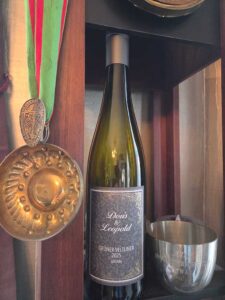
An acclaimed white grape from Austria. It sprouted onto the global wine scene in the 1990’s when an emerging cast of young sommeliers declared that it was the new “It” girl, pronouncing it “groo-vee”, a sure two-word sales device. The rest is history. Add that to the fact that the wine isn’t overly dry or sweet but has smooth deliciousness about it.
Gruner’s like food. Even though subtle, they are versatile with most dishes: Asian, Thai, Indonesian, sushi. It goes with a whole world of flavors. Even for salads and veggies, which are tough for wine pairing, Gruner excels. Your vegetarian and vegan guests will be happy.
This grape won’t work with a thick sauce or a thick steak. Gruner is just too subtle.
Label Notes
- AUSTRIA: On the label, this points to reasonably priced wines.
- KAMPTAL: A sub-region that appears on both the label as well as on your wallet. Great producer to look for: Kurt Angerer.
- WAGRAM: Great producer: Anton Bauer.
- KREMSTAL: Great producer: Nihl.
- WACHAU: This is the most esteemed region of Gruner land (if I may be so bold). It will really attach itself to your wallet. Look for F.X. Pichler or Prager, if your budget is above $100.00 a bottle.
And if you are planning a trip to Vienna, make sure to pack along the indispensable book “God Forsaken Grapes” by Jason Wilson. You won’t be disappointed. (FYI: Vienna is famous for their “Heurigen”- or wine taverns.)
CERASUOLO D’ABRUZZO
The famous rose made from the Montepulciano grape grown in the Abruzzo region of central Italy. There isn’t a sub-region of fame within Abruzzo, but clearly there are producers to look for. They can run from about $10 a bottle, into the twenties, and well into and past the hundreds.
Producers to look for:
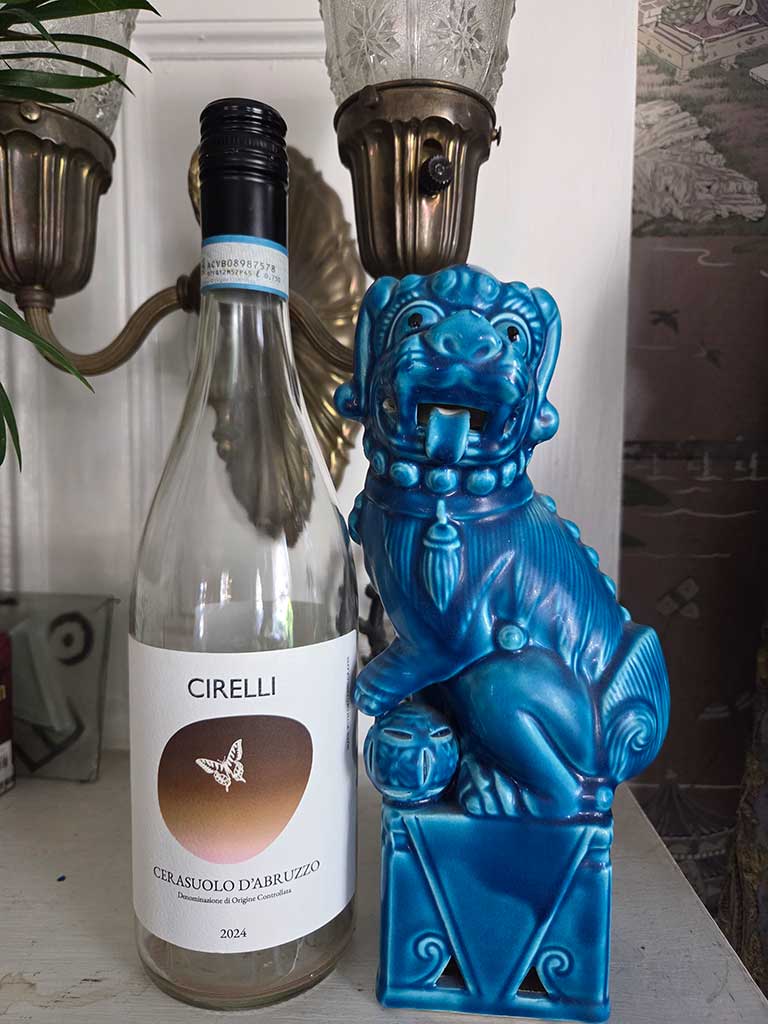
- CIRELLI: Good quality, $20.00+
- ILLUMINATI: Excellent, $20.00+
- UMANI RONCHI: Terrific Pecorino (white) and Trebbiano d’Abruzzo as well, $25.00+
- EMIDIO PEPE: He passed at 94 years of age. Granddaughters kept it as it was. Wine as a life-changing experience. As old school as it gets both as a grower and craftsman. There may be a smattering of bottles in this market. A monthly car payment but worth it.
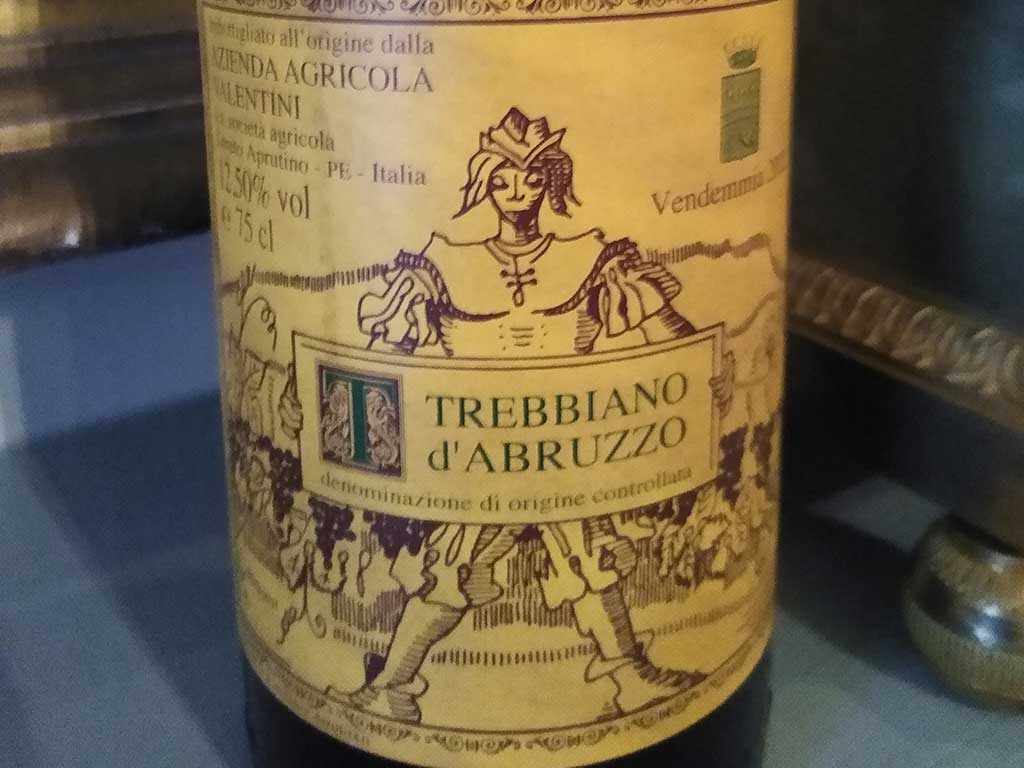
- EDOUARDO VALENTINI: The Unicorn of all unicorns. Don’t ask.
BORDEAUX
It can be red, white (dry or sweet), rose, fizzy, not too pricey (think ten bucks a bottle), or will elicit a gasp when you see that $10,000 bottle of Chateau Petrus on a wine list. Let’s look at some reds.
Your basic red is blended with Cabernet Sauvignon, Cabernet Franc, and Merlot. The area is huge comprising 250,000 acres of vines, averaging 700 million bottles per year, with 65 declared appellations, with a total of 5,660 producers. That is a lot to wrap your head around.
The best thing you can do to start loving Bordeaux is to go to a store, be it your local grocery store or wine merchant, purchase a $10 bottle of red Bordeaux, and throw a burger on the grill. The fatty lusciousness will cut through the tannins of the red wine. Or, if you aren’t burger inclined, just get a hunk of Brie cheese. A bite of cheese, then a sip of wine. Now you’ve got it.
The French worship their wine. It has been an integral part of their culture for millennia. Hence, it can be complicated. The theory is that the more money you spend on a bottle the better it is. Maybe. Maybe not.
Some Bordeaux to look for, some pricey and some less so:
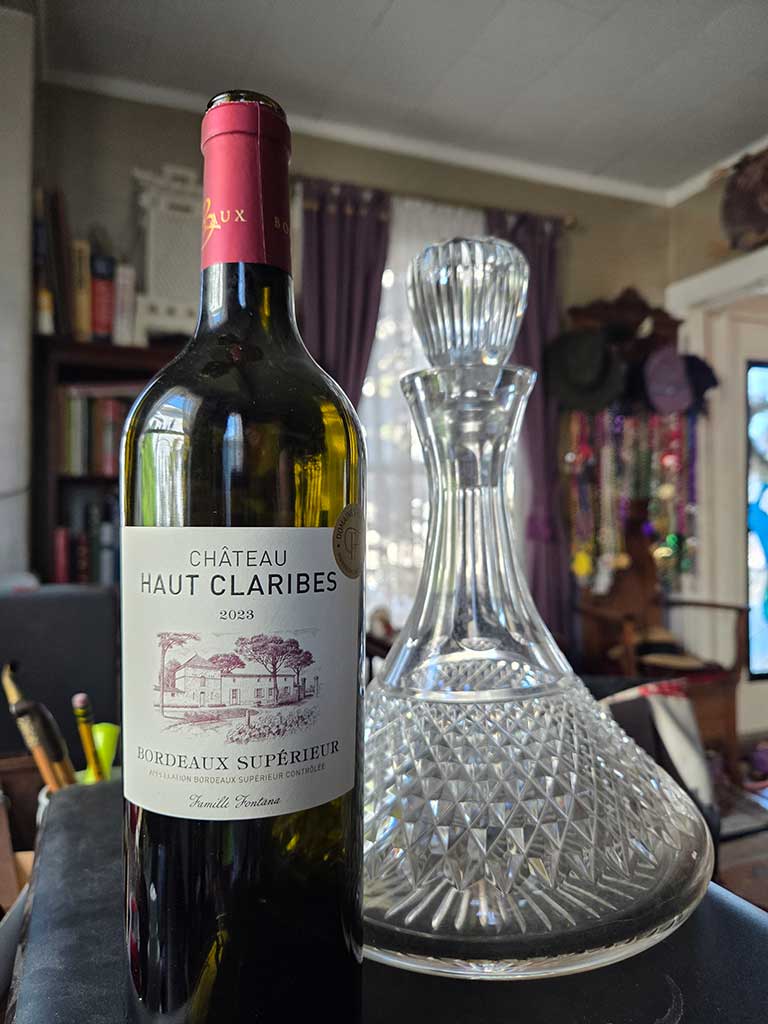
Bordeaux Superieur: Terrific reasonably priced “little Bordeaux.” This is the $10.00 to $15.00 world par excellence. Chateau Haut Claribes, $10.
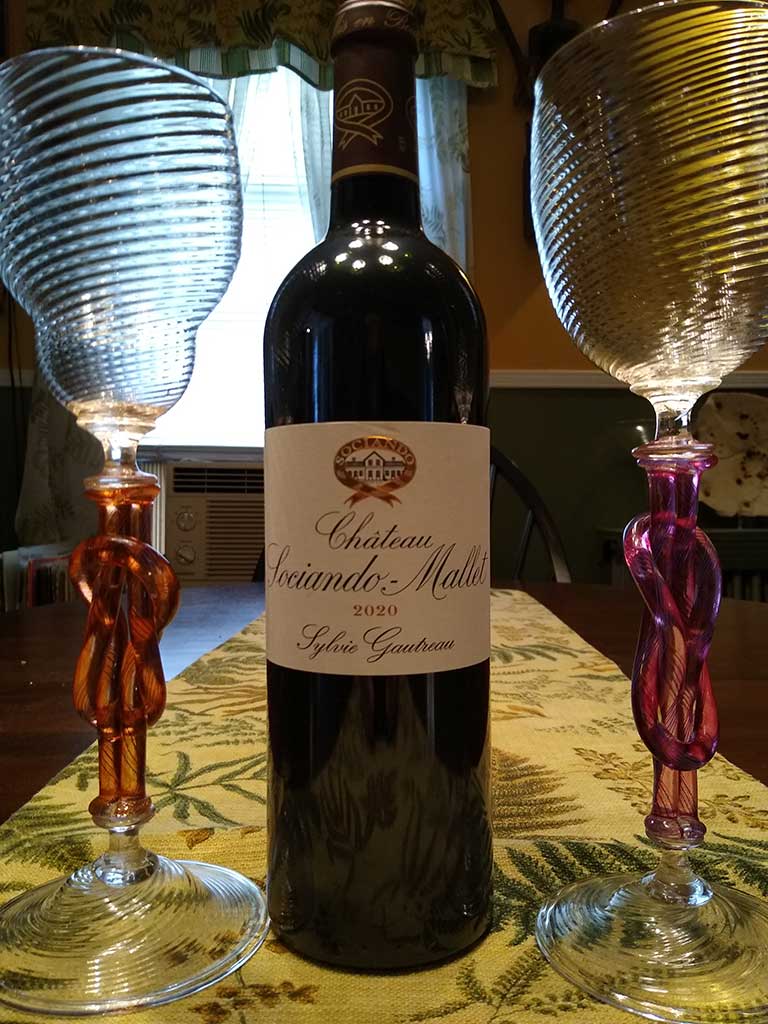
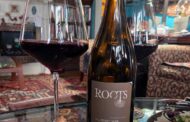
Medoc: The region in the middle of Bordeaux. Ch. Sociando Mallet has been a perennial over-performer of the region at around $40 a bottle. Glasses by local artist Ben Coombs.
Saint-Julien: A region whose reds are famous for elegance and balance. Chateau Talbot (a reminder that the Brits once controlled both the region and its commerce) is a lovely Bordeaux for $40+.
Saint-Estephe: Bold, long-lived reds. This is the reason that some of us still have decanters. Chateau Montrose, $40+.
Margaux: You are entering into the realm of the “big bucks people.” Chateau Palmer, $100+.
Pomerol: Smallest region in Bordeaux. Mostly Merlot based wines. Chateau Petrus is the priciest wine in the world. Wine Searcher lists it at $32,500 a bottle!
Lalande de Pomerol: From the “Right Bank” of the river. Predominately Merlot based wines. My all-time favorite region. You must dig deep to find these wines, but they are well worth the money. Chateau La Fleur de Bouard from $25 to $40+. These wines taste of blackberries, mushrooms, and a touch of dirt; all in the best way.
The beauty of buying wine today is that there is an abundance of it around in all prices, ranging from your “Tuesday Night” wine to that Unicorn that you seek out for decades. Let the search begin.