We’re All in This Together
Weather Forecasting & Climate Data Saves Lives
By Dr. Susana Hancock
On May 31st, I took part in the non-partisan Weather and Climate Livestream featuring 200 scientists sharing their research online for 100 hours straight. Running from May 28th until June 1st, it was timed to culminate at the start of hurricane season. The goal? To highlight the life-saving importance of weather forecasting and climate knowledge at a time when the United States was actively putting them through the guillotine.
Three days before I went live, Switzerland’s Birch glacier collapsed, wiping out an alpine town. All but one person had left in the days before–and the evacuation even extended to the livestock. Why? Because this glacier was a well-studied and monitored hazard. Earlier in May, signs of impending devastation were recognized and acted upon, and a crisis was largely avoided.
Nineteen months earlier, another glacier hazard in rural India led to a very different outcome. Hundreds died and nearly 90 thousand were impacted. Forensic scientists now know that the human toll could have been averted. A warning system, which would have alerted authorities to increasing risk and later residents to imminent disaster, had been initiated at the site but was not yet operational.
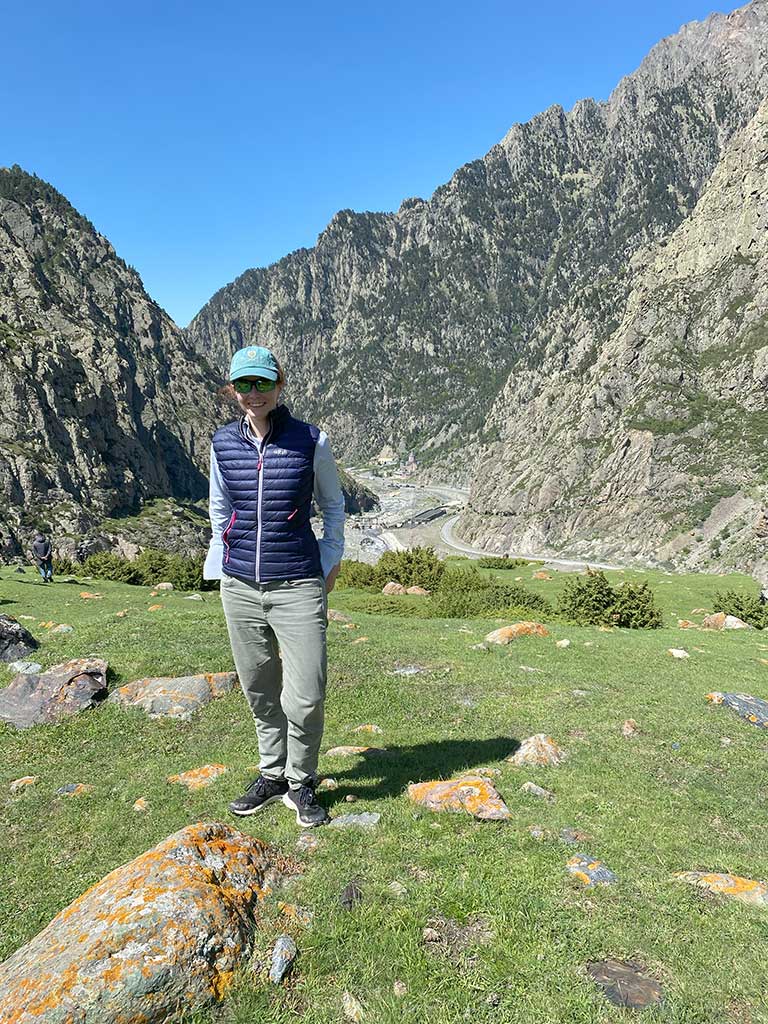
I joined the livestream from Central Asia, where I had been working on glacier hazards. From visiting warning systems that straddle the Georgian-Russian and Tajik-Kyrgyz borders to sitting with diplomats from Armenia and Azerbaijan, and from India and Pakistan, the sheer existential threat from climate catastrophes can be great enough to bring otherwise adversarial governments to the same table, to share data and preserve lives.
Purging Science in the U.S.
Meanwhile, thousands of miles away in Washington, DC, the White House continued its purge of science. Government websites on climate were lost to cyberspace, federal funding for supporting evacuations was diverted, and the new director of FEMA allegedly did not know the country even has a hurricane season. By the time I showed up to the annual United Nations Climate Meetings in June (the precursor to the better known autumn COPs), the United States was a no-show. Word had it that there was no one left on payroll to send.
This Administration is not just denying science, it’s killing people. We have a choice: We can measure disasters in lives saved, or we can measure disasters in lives lost.
Dr. Susana Hancock is an internationally recognized climate activist and transdisciplinary polar scientist. When not traveling around the world [by train], she spends half the year in mid-coast Maine where she volunteers with Citizens’ Climate Lobby and has founded her own climate organization.