We’re All in This Together
Finding Inspiration in Cancer Alley
By Sue Inches
Cancer Alley is the nickname for 80 miles of the Mississippi between Baton Rouge and New Orleans. There are 150 petrochemical plants located along the river there. The area is home to many working-class people, a majority of them Black. The cancer risk for people living there is 50 times higher than the US average—hence the name “Cancer Alley”.
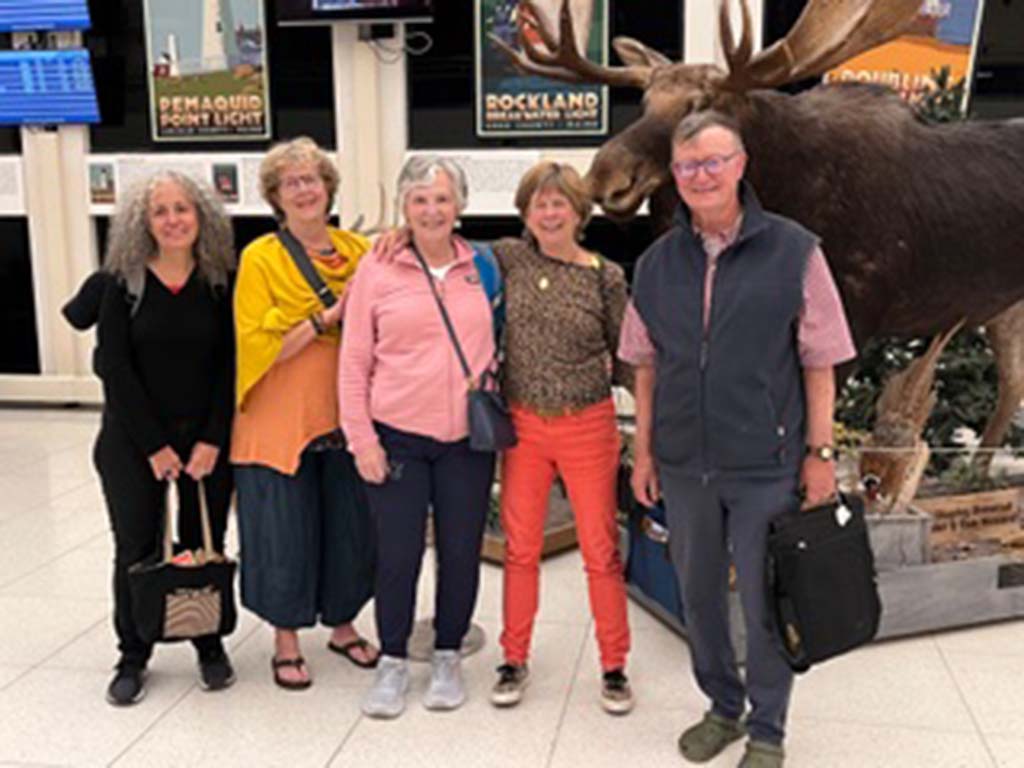
Two days after the November election, five people from First Parish Yarmouth traveled there. Our mission was to meet the organizers and learn about their struggle for civil and environmental rights.
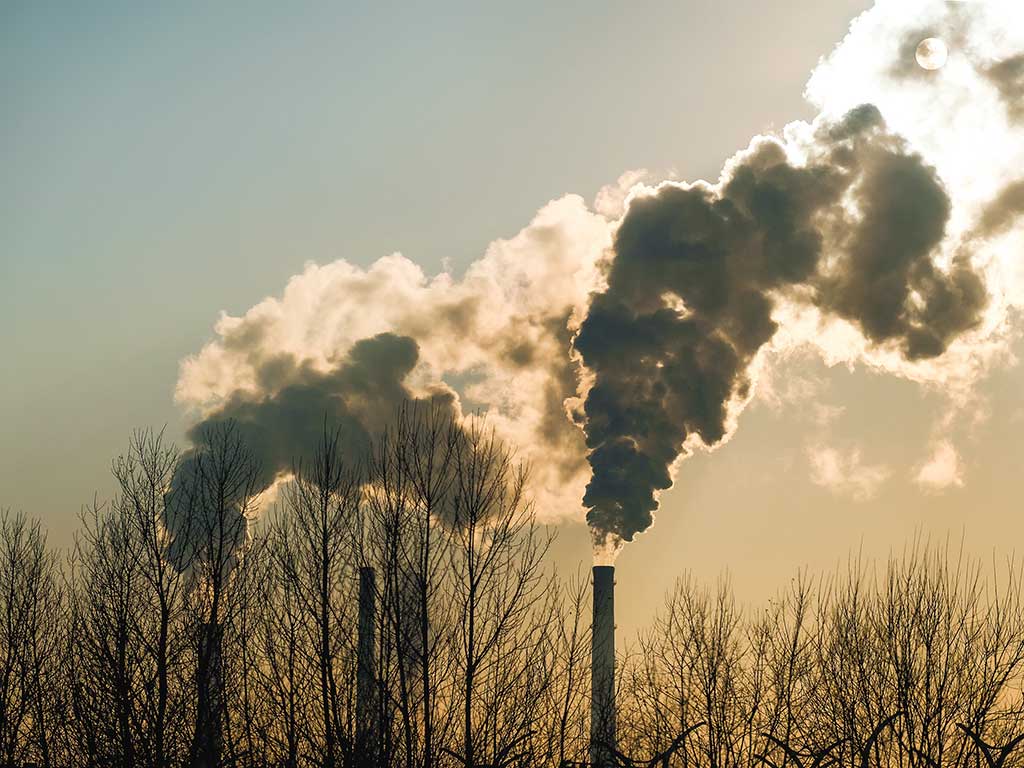
The first thing you notice there are huge refineries. Tall smokestacks spew toxic chemicals. Methane flares light up the sky. The scale of industrialization is hard to imagine. There are miles and miles of factories and chemical plants.
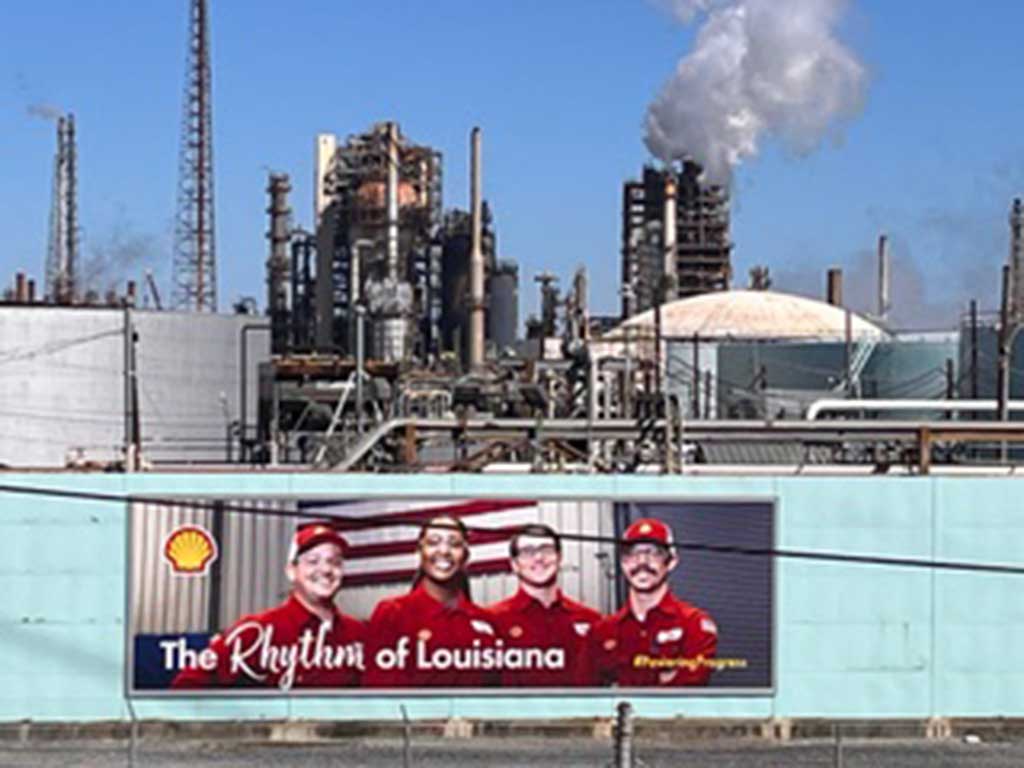
Sandwiched between them are small communities, many settled after the Civil War. In many places the only thing separating industrial complexes from homes, schools, and churches is a seven-foot chain link fence.
Grassroots Victories & Challenges Ahead
We weren’t sure how a group of white people from the north would be received in these places. But we found warm and welcoming people. There are twenty or more grassroots organizations in Cancer Alley working for the right to clean air, clean water, and a healthy environment. Meeting them was inspiring!
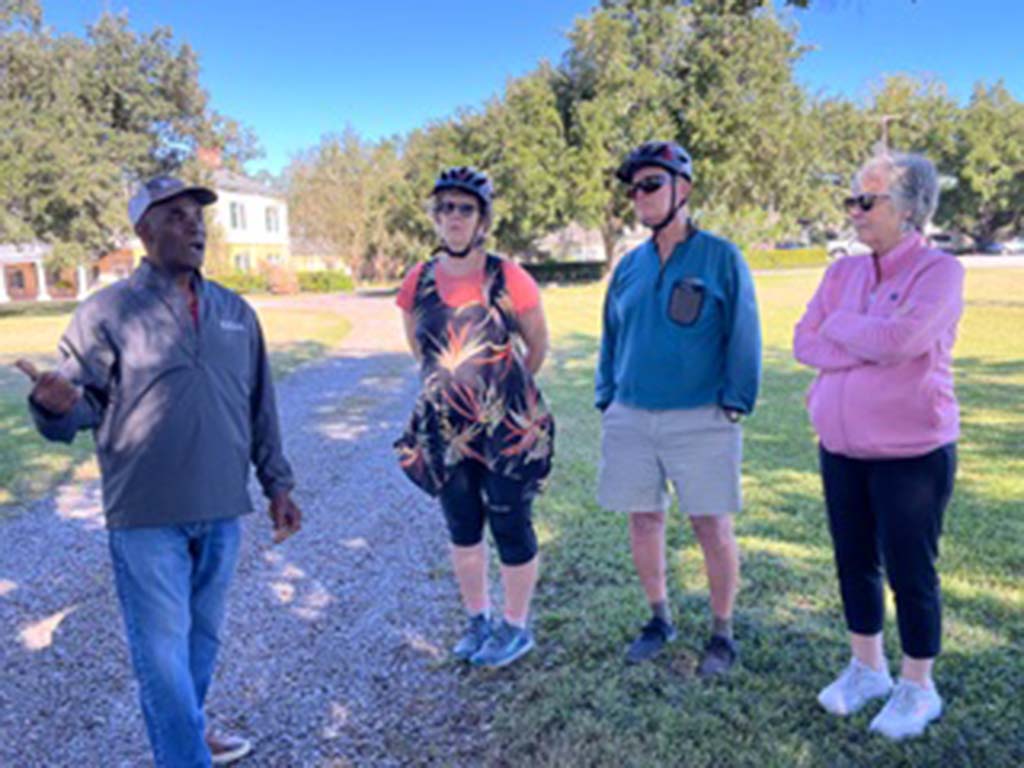
Since 2018, they have stopped two plastics plants and a methane plant. They face huge challenges now as a 40% EPA funding cut is proposed.
You can help them by reducing your plastics and fossil fuel use. Each time you use these products, someone is breathing in toxic emissions in Louisiana and other places where they are made.
To learn more: www.labucketbrigade.org and www.risestjames.org.
Sue Inches is an author, educator, and environmental writer from North Yarmouth. Check out her blog at www.susanbinches.substack.com.